Navigate Flooring Choices with Expert Guidance
- Louie Houts
- Oct 16
- 4 min read
Choosing the right flooring can feel overwhelming. With so many options available, it’s easy to get lost in the details. Whether you are renovating your home or building from scratch, the flooring you select will impact the look, feel, and functionality of your space. This guide will help you navigate your flooring choices with expert guidance, making the process simpler and more enjoyable.
Understanding Your Needs
Before diving into the various types of flooring, it’s essential to understand your specific needs. Consider the following factors:
Room Functionality: Different rooms have different requirements. For example, kitchens and bathrooms need water-resistant flooring, while living rooms may prioritize comfort and aesthetics.
Foot Traffic: High-traffic areas require durable flooring that can withstand wear and tear. Think about how often each room will be used.
Budget: Flooring can vary significantly in price. Set a budget before you start shopping to narrow down your options.
Style Preferences: Your flooring should complement your overall home design. Consider the colors, textures, and styles that appeal to you.
By identifying your needs, you can make more informed decisions about the types of flooring that will work best for your space.
Popular Flooring Options
Now that you have a clear understanding of your needs, let’s explore some popular flooring options available today.
Hardwood Flooring
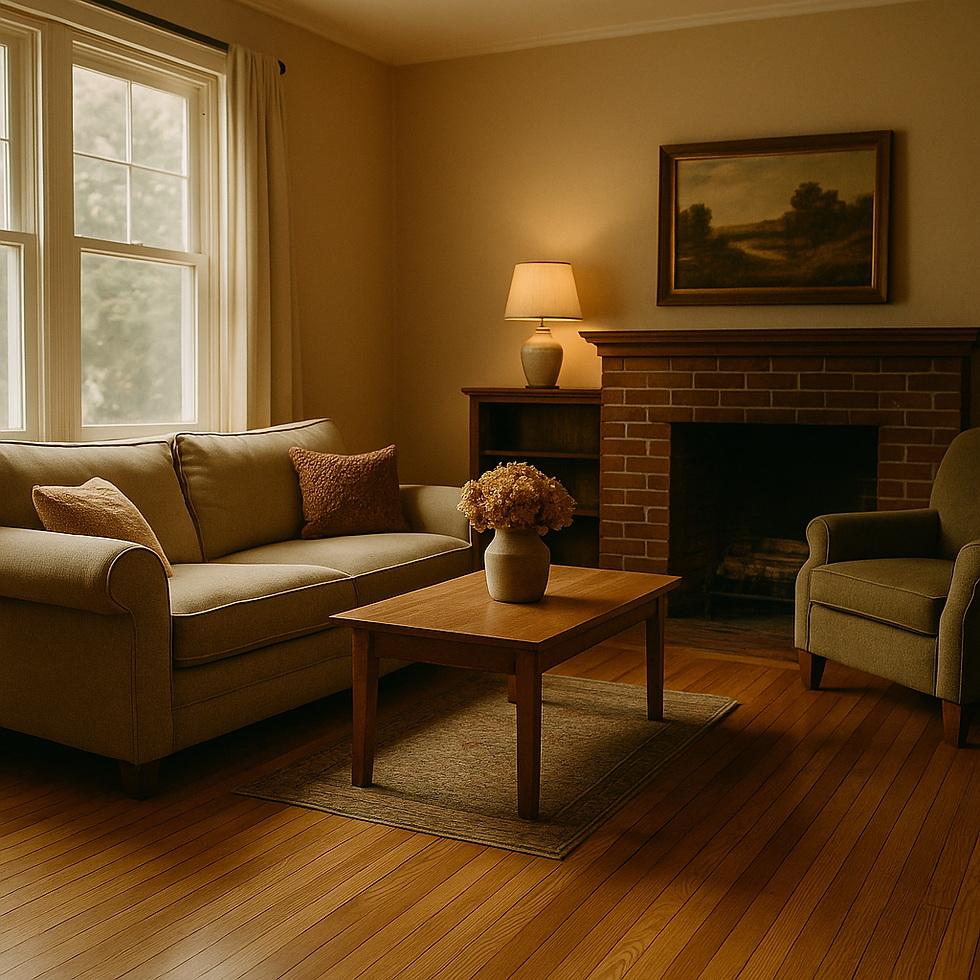
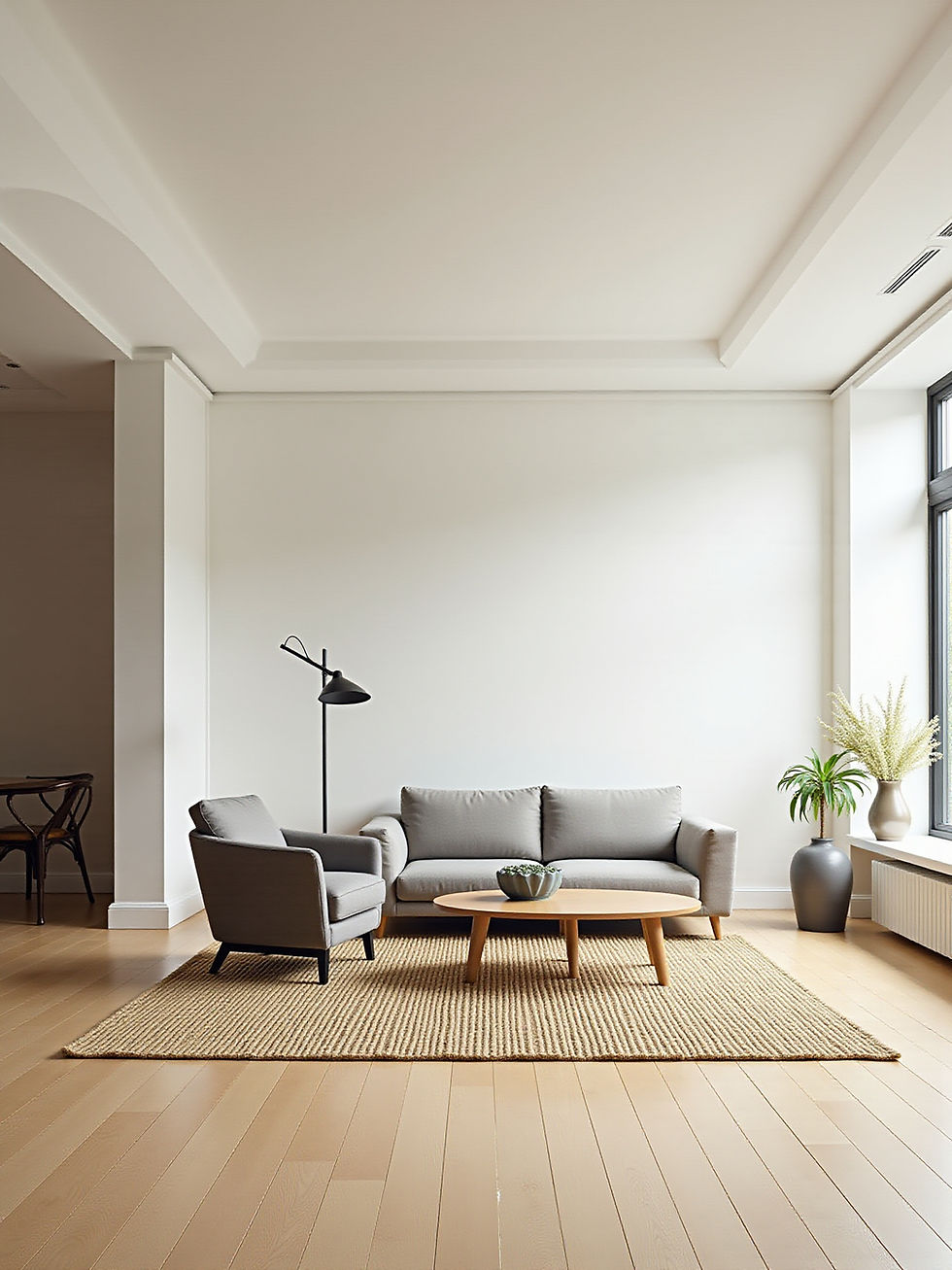
Hardwood flooring is a classic choice that adds warmth and elegance to any room. It is available in various species, colors, and finishes.
Pros:
Timeless appeal
Increases home value
Durable and long-lasting
Cons:
Can be expensive
Susceptible to scratches and dents
Requires regular maintenance
Hardwood is ideal for living rooms, dining areas, and bedrooms. It can be refinished multiple times, extending its lifespan.
Laminate Flooring
Laminate flooring mimics the look of hardwood or stone but is more affordable. It consists of several layers, making it durable and resistant to scratches.
Pros:
Cost-effective
Easy to install
Low maintenance
Cons:
Can’t be refinished
May not add as much value to your home
Can feel less authentic than real wood
Laminate is suitable for high-traffic areas and can be used in various rooms, including kitchens and playrooms.
Vinyl Flooring
Vinyl flooring is a versatile option that comes in sheets, tiles, or planks. It is waterproof and available in a wide range of designs.
Pros:
Water-resistant
Comfortable underfoot
Easy to clean
Cons:
Can be less durable than other options
May fade over time
Not as eco-friendly
Vinyl is perfect for bathrooms, kitchens, and laundry rooms due to its water-resistant properties.
Tile Flooring
Tile flooring is a popular choice for its durability and variety. It comes in ceramic, porcelain, and natural stone options.
Pros:
Extremely durable
Water-resistant
Available in various styles and colors
Cons:
Can be cold and hard underfoot
Installation can be labor-intensive
Grout lines can be difficult to clean
Tile is ideal for bathrooms, kitchens, and entryways, where moisture is a concern.
Carpet
Carpet adds warmth and comfort to any space. It is available in various styles, colors, and textures.
Pros:
Soft and comfortable
Provides insulation
Reduces noise
Cons:
Can stain easily
Requires regular cleaning
May not be suitable for allergy sufferers
Carpet is best for bedrooms and living rooms, where comfort is a priority.
Making the Right Choice
With so many options available, how do you choose the right flooring for your home? Here are some tips to help you make the best decision:
Consider Your Lifestyle: If you have pets or children, opt for durable and easy-to-clean flooring.
Test Samples: Always request samples before making a final decision. This allows you to see how the flooring looks in your space.
Think Long-Term: Consider the longevity of the flooring. Some options may be cheaper upfront but require more maintenance or replacement in the long run.
Consult Professionals: If you’re unsure, consult with flooring experts. They can provide valuable insights and help you make an informed decision.
Plan for Installation: Factor in installation costs and time. Some flooring types are easier to install than others.
Maintenance Tips for Different Flooring Types
Once you’ve chosen your flooring, proper maintenance is key to keeping it looking great. Here are some maintenance tips for various flooring types:
Hardwood Flooring
Regular Cleaning: Sweep or vacuum regularly to remove dirt and debris.
Use a Damp Mop: Clean with a damp mop and a hardwood floor cleaner.
Avoid Excess Water: Never soak hardwood floors, as excess water can cause damage.
Laminate Flooring
Sweep or Vacuum: Regularly remove dust and dirt.
Damp Mop: Use a damp mop with a laminate floor cleaner.
Avoid Harsh Chemicals: Steer clear of abrasive cleaners that can scratch the surface.
Vinyl Flooring
Sweep or Vacuum: Keep the surface clean by removing dirt and debris.
Mop with Mild Cleaner: Use a mild cleaner and a damp mop for deeper cleaning.
Avoid Sharp Objects: Be cautious with sharp objects that can scratch the surface.
Tile Flooring
Sweep or Vacuum: Regularly remove dirt and debris.
Mop with Tile Cleaner: Use a tile cleaner for deeper cleaning.
Seal Grout: Consider sealing grout lines to prevent staining.
Carpet
Vacuum Regularly: Keep carpets clean by vacuuming frequently.
Spot Clean Stains: Address spills immediately with a carpet cleaner.
Professional Cleaning: Consider professional cleaning every 12-18 months.
Conclusion
Choosing the right flooring is a significant decision that can enhance your home’s beauty and functionality. By understanding your needs and exploring various options, you can make an informed choice that suits your lifestyle and budget. Remember to consider maintenance and consult with professionals if needed.
With the right flooring, you can create a space that is not only beautiful but also practical for years to come. Take your time, do your research, and enjoy the process of transforming your home.
Comments