Empower Yourself: Make Confident Flooring Choices
- Louie Houts
- Oct 16
- 4 min read
Choosing the right flooring can feel overwhelming. With so many options available, it’s easy to get lost in the details. But making confident flooring choices is essential for creating a space that reflects your style and meets your needs. This guide will help you navigate the world of flooring, empowering you to make informed decisions.
Understanding Your Needs
Before diving into the types of flooring available, it’s crucial to understand your specific needs. Consider the following factors:
Room Functionality: What will the space be used for? High-traffic areas like hallways and living rooms require durable flooring, while bedrooms may benefit from softer options.
Lifestyle: Do you have pets or children? If so, you might want to choose flooring that is easy to clean and resistant to scratches.
Budget: Determine how much you are willing to spend. Flooring options vary widely in price, so having a budget in mind will help narrow your choices.
Aesthetic Preferences: What style do you want to achieve? Whether it’s modern, rustic, or traditional, your flooring should complement your overall design vision.
Types of Flooring
Now that you have a clear understanding of your needs, let’s explore the various types of flooring available. Each option has its own set of benefits and drawbacks.
Hardwood Flooring
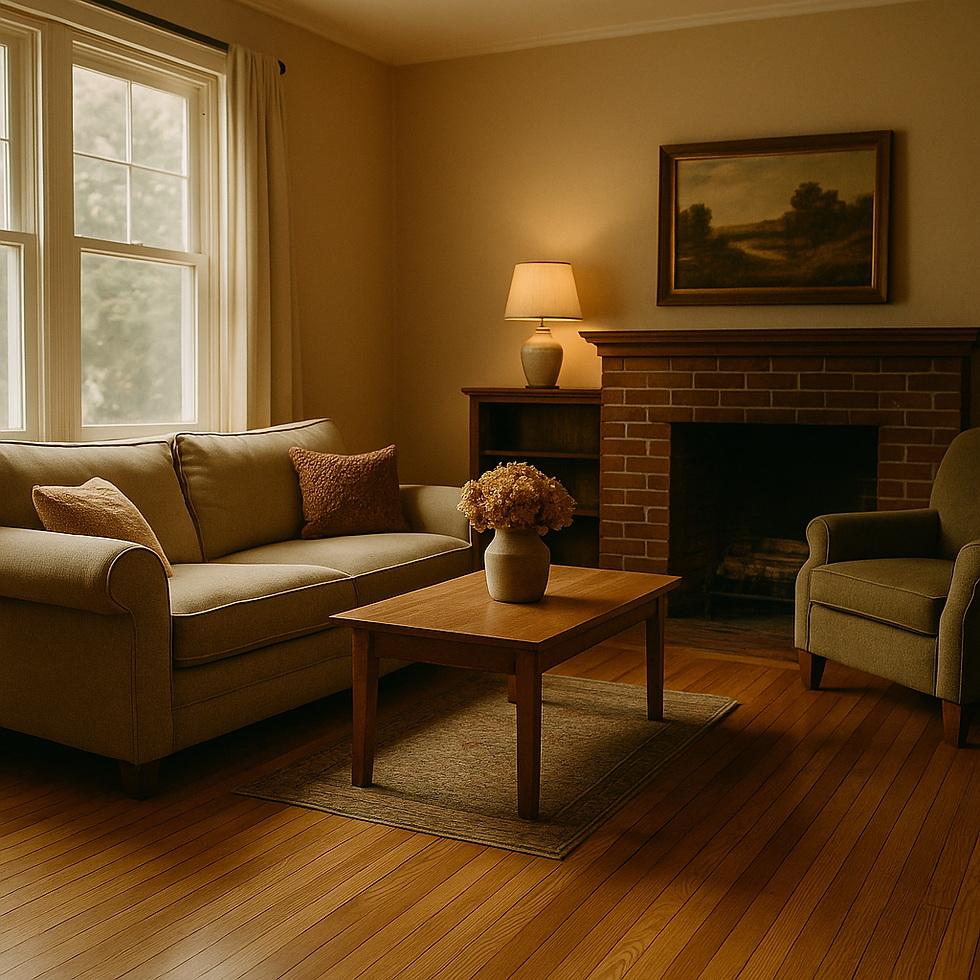
Hardwood flooring is a classic choice that adds warmth and elegance to any space.
Pros: Durable, timeless, and can increase home value. It’s also easy to clean and maintain.
Cons: Can be expensive and may scratch or dent over time. It’s also sensitive to moisture, making it less suitable for bathrooms or basements.
Laminate Flooring
Laminate flooring mimics the look of hardwood or stone at a lower price point.
Pros: Affordable, easy to install, and resistant to scratches and stains. It’s also available in a wide variety of styles.
Cons: Less durable than hardwood and can’t be refinished. It may also feel less authentic underfoot.
Vinyl Flooring
Vinyl flooring is a versatile option that comes in sheets, tiles, or planks.
Pros: Water-resistant, affordable, and available in many designs. It’s also comfortable underfoot and easy to clean.
Cons: Can be less durable than other options and may fade over time with exposure to sunlight.
Tile Flooring
Tile flooring is a popular choice for kitchens and bathrooms due to its water resistance.
Pros: Extremely durable, easy to clean, and available in countless styles and colors. It’s also great for radiant heating.
Cons: Can be cold and hard underfoot, and installation can be labor-intensive.
Carpet
Carpet adds comfort and warmth to any room.
Pros: Soft underfoot, available in various colors and textures, and provides sound insulation.
Cons: Can stain easily and may require more maintenance than other flooring types. It’s also not ideal for high-moisture areas.
Making the Right Choice
With so many options, how do you choose the right flooring for your space? Here are some tips to help you make a confident decision:
Research and Compare
Take the time to research different flooring types. Visit showrooms, read reviews, and compare prices. This will give you a better understanding of what’s available and help you make an informed choice.
Sample Before You Buy
Many flooring retailers offer samples. Take advantage of this by bringing samples home. This allows you to see how the flooring looks in your space and how it complements your existing decor.
Consider Installation
Think about whether you will install the flooring yourself or hire a professional. Some flooring types, like laminate and vinyl, are easier to install than others. If you’re not comfortable with DIY projects, it may be worth investing in professional installation.
Think Long-Term
Consider the long-term implications of your flooring choice. Will it stand the test of time? Is it easy to maintain? Choosing durable flooring can save you money in the long run.
The Importance of Color and Texture
Color and texture play a significant role in how flooring impacts a room. Here are some tips to consider:
Color
Light Colors: Light-colored flooring can make a space feel larger and more open. It’s a great choice for smaller rooms.
Dark Colors: Dark flooring can add warmth and coziness. It works well in larger spaces but may make a small room feel cramped.
Texture
Smooth Surfaces: Smooth flooring is easier to clean but may feel cold and uninviting.
Textured Surfaces: Textured flooring can add depth and interest to a room. It may also provide better traction, making it safer in high-traffic areas.
Maintenance and Care
Once you’ve made your flooring choice, it’s essential to understand how to care for it. Proper maintenance will extend the life of your flooring and keep it looking great.
General Tips
Regular Cleaning: Sweep or vacuum regularly to remove dirt and debris. This prevents scratches and keeps your flooring looking fresh.
Use the Right Products: Use cleaning products specifically designed for your flooring type. Avoid harsh chemicals that can damage the surface.
Protect from Scratches: Use furniture pads under heavy items to prevent scratches. Be cautious with high heels or pet claws.
Specific Care for Different Flooring Types
Hardwood: Use a damp mop for cleaning and avoid excessive water. Consider refinishing every few years to maintain its beauty.
Laminate: Clean with a damp cloth and avoid soaking the surface.
Vinyl: Use a mild detergent and avoid abrasive cleaners.
Tile: Regularly clean grout lines to prevent staining.
Carpet: Vacuum regularly and consider professional cleaning every 12-18 months.
Conclusion
Choosing the right flooring is a significant decision that can impact the look and feel of your home. By understanding your needs, exploring different options, and considering factors like color and maintenance, you can make confident flooring choices.
Remember, your flooring should reflect your style and support your lifestyle. Take your time, do your research, and trust your instincts. Empower yourself to create a space that you love.

Comments